In the world of sports, achieving peak performance requires more than just talent and hard work. It demands a strategic approach, and this is where a Performance Director plays a pivotal role. Whether you're an athlete, coach, or sports organization, understanding the responsibilities and impact of a Performance Director can be a game-changer. This post explores how a Performance Director maximizes athletic success, blending sports performance strategies, athlete development, and team optimization to drive results. (Athletic Success, Performance Director, Sports Strategies)
What is a Performance Director?

A Performance Director is a key figure in sports organizations responsible for overseeing the overall performance and development of athletes and teams. They bridge the gap between training, nutrition, psychology, and competition, ensuring every aspect aligns with the goal of maximizing athletic success. Their role is multifaceted, encompassing planning, analysis, and execution of performance enhancement programs tailored to individual and team needs. (Performance Enhancement, Athletic Development)
Key Responsibilities of a Performance Director
Strategic Planning and Execution
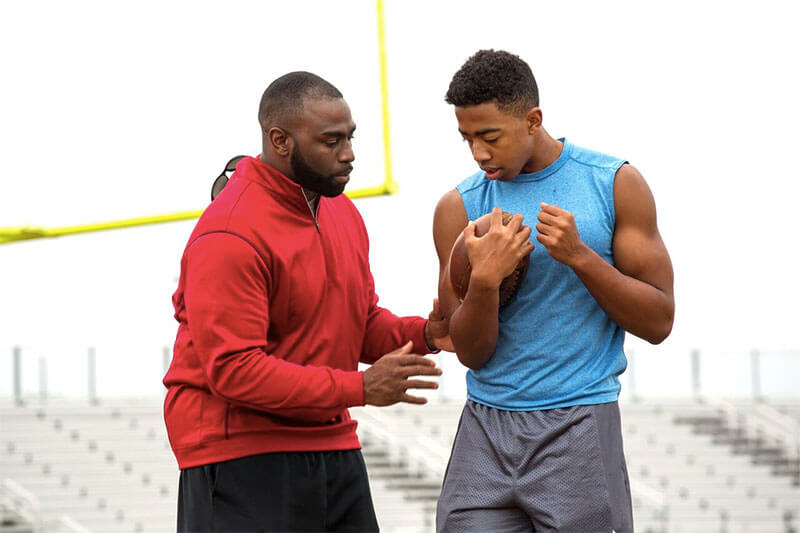
A Performance Director designs and implements long-term athletic development plans that focus on strength, endurance, agility, and mental resilience. They collaborate with coaches, trainers, and sports scientists to create cohesive programs. (Long-Term Development, Sports Science)
Performance Analysis and Feedback
Using data-driven insights, they analyze athlete performance to identify strengths and areas for improvement. Tools like performance tracking software and biometric monitoring are integral to their process. (Performance Analysis, Biometric Monitoring)
Injury Prevention and Recovery
Minimizing downtime is crucial. Performance Directors oversee injury prevention programs and recovery protocols to keep athletes in peak condition. (Injury Prevention, Athlete Recovery)
| Area of Focus | Key Activities |
|---|---|
| Athlete Development | Customized training programs, skill enhancement |
| Performance Optimization | Data analysis, strategy refinement |
| Health and Wellness | Nutrition plans, mental health support |

How a Performance Director Impacts Athletic Success

The role of a Performance Director is transformative. By focusing on holistic athlete development, they ensure that every athlete reaches their full potential. Their expertise in sports performance strategies leads to improved results, reduced injury rates, and enhanced team cohesion. (Holistic Development, Team Cohesion)
📌 Note: Hiring a Performance Director can significantly elevate your sports program, whether you're an individual athlete or a professional team.
Checklist: Key Qualities of an Effective Performance Director
- Expertise in sports science and performance analysis
- Strong leadership and communication skills
- Ability to adapt strategies based on data and feedback
- Focus on athlete well-being and long-term success
A Performance Director is more than just a coach; they are a strategist, analyst, and mentor rolled into one. By leveraging their expertise, athletes and teams can achieve unprecedented levels of success. Whether you're looking to enhance athletic performance or optimize team dynamics, investing in a Performance Director is a decision that pays dividends. (Athlete Performance, Team Dynamics)
What qualifications does a Performance Director need?
+
A Performance Director typically holds a degree in sports science, physiology, or a related field, along with certifications in performance analysis and coaching. (Sports Science, Performance Analysis)
How does a Performance Director differ from a coach?
+
While coaches focus on skill development and tactics, a Performance Director oversees the broader aspects of athlete performance, including training, recovery, and mental health. (Skill Development, Mental Health)
Can individual athletes benefit from a Performance Director?
+
Absolutely! Individual athletes can gain personalized strategies for performance enhancement and injury prevention, leading to better results. (Performance Enhancement, Injury Prevention)