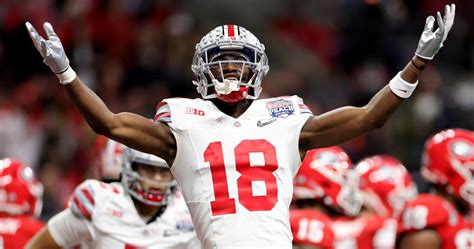
The introduction of Name, Image, and Likeness (NIL) policies has sparked intense debates in the world of college sports. Since the NCAA's landmark decision in 2021, allowing student-athletes to profit from their NIL, questions have arisen about its impact on the integrity, competitiveness, and spirit of college athletics. Has NIL ruined college sports, or has it simply evolved the landscape? This post explores the effects of NIL on college sports, examining both the positives and negatives, and providing insights for fans, athletes, and stakeholders alike (college sports, NIL impact, NCAA rules).
Understanding NIL and Its Origins
What is NIL?
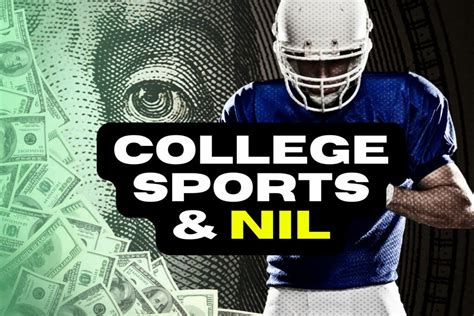
Name, Image, and Likeness (NIL) refers to the rights of student-athletes to earn money from endorsements, sponsorships, and other ventures using their personal brand. Before 2021, NCAA rules prohibited athletes from profiting in this manner, but the new policy has changed the game (student-athletes, endorsements, NCAA policy).
The Rationale Behind NIL
The NIL policy was introduced to address long-standing criticisms of the NCAA's amateurism model. Advocates argue that it provides athletes with fair compensation for their contributions to college sports, while critics worry about potential exploitation and uneven playing fields (amateurism, fair compensation, college athletics).
The Positive Impacts of NIL on College Sports
Financial Empowerment for Athletes
One of the most significant benefits of NIL is the financial empowerment it offers student-athletes. Many athletes, particularly those from underprivileged backgrounds, now have the opportunity to earn income and support their families while pursuing their education and athletic careers (financial empowerment, student-athletes, income opportunities).
Enhanced Brand Building
NIL allows athletes to build their personal brands, which can lead to long-term career opportunities beyond their college years. Social media influencers, endorsements, and entrepreneurial ventures are just a few ways athletes are leveraging their NIL rights (personal branding, social media, career opportunities).
The Negative Impacts of NIL on College Sports
Competitive Imbalance
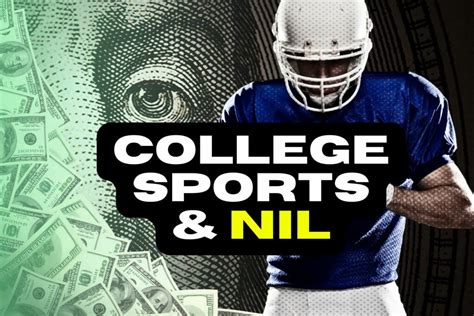
One of the primary concerns with NIL is the potential for competitive imbalance. Wealthier programs and schools with larger fan bases can offer more lucrative deals, potentially swaying top recruits and creating an uneven playing field (competitive imbalance, recruiting, college programs).
Commercialization Concerns
Critics argue that NIL has led to the over-commercialization of college sports, shifting the focus from education and amateurism to profit-making. This raises questions about the core values of college athletics and the student-athlete experience (commercialization, college values, student experience).
💡 Note: While NIL has opened doors for many athletes, it’s essential to monitor its long-term effects on the integrity and balance of college sports.
Key Considerations for NIL in College Sports
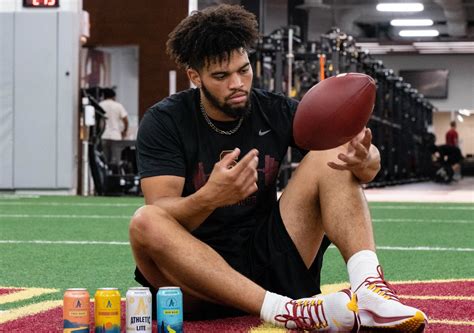
- Transparency: Ensure clear guidelines and reporting mechanisms for NIL deals.
- Equity: Promote fair opportunities for athletes across all programs and sports.
- Education: Provide resources to help athletes navigate NIL contracts and financial management.
- Regulation: Implement oversight to prevent exploitation and maintain competitive balance.
The NIL era has undoubtedly transformed college sports, offering both opportunities and challenges. While it has empowered athletes financially and allowed for personal brand growth, concerns about competitive imbalance and commercialization persist. As the landscape continues to evolve, stakeholders must work together to ensure that NIL enhances, rather than detracts from, the spirit of college athletics (college sports evolution, NIL future, athletic integrity).
What is the main purpose of NIL in college sports?
+The main purpose of NIL is to allow student-athletes to profit from their name, image, and likeness, providing them with financial opportunities while attending college (student-athletes, financial opportunities, college sports).
How does NIL affect recruiting in college sports?
+NIL can influence recruiting by offering potential athletes lucrative deals, which may sway their decisions toward certain programs or schools (recruiting, lucrative deals, college programs).
What are the potential risks of NIL for college athletes?
+Potential risks include exploitation, uneven playing fields, and the over-commercialization of college sports, which may detract from the student-athlete experience (exploitation, competitive balance, college values).