
For every sports enthusiast who loves diving into the numbers, analyzing data is more than a task—it’s a passion. Whether you’re tracking player performance, predicting game outcomes, or uncovering trends, sports data analysis offers endless fodder for discussion. With the rise of advanced analytics tools and accessible datasets, turning raw numbers into actionable insights has never been easier. This post explores how to harness the power of data to fuel your sports conversations, from beginner tips to advanced strategies. (sports analytics, data-driven sports insights)
Why Sports Data Analysis is a Game-Changer

Sports data analysis isn’t just for professionals—it’s a tool for fans, bloggers, and fantasy league players alike. By breaking down statistics, you can tell compelling stories, challenge popular opinions, or even predict future trends. The key lies in knowing where to find reliable data and how to interpret it effectively. (sports statistics, predictive analytics)
The Power of Reliable Data Sources
Not all data is created equal. To ensure your analysis is accurate, start with trusted sources like official league websites, sports databases, or verified third-party platforms. Tools like Tableau, Python, or Excel can help visualize and manipulate datasets for deeper insights. (data visualization, sports databases)
Essential Tools for Sports Data Analysis
- Python: Ideal for advanced analytics and machine learning.
- Excel: Perfect for beginners to organize and analyze data.
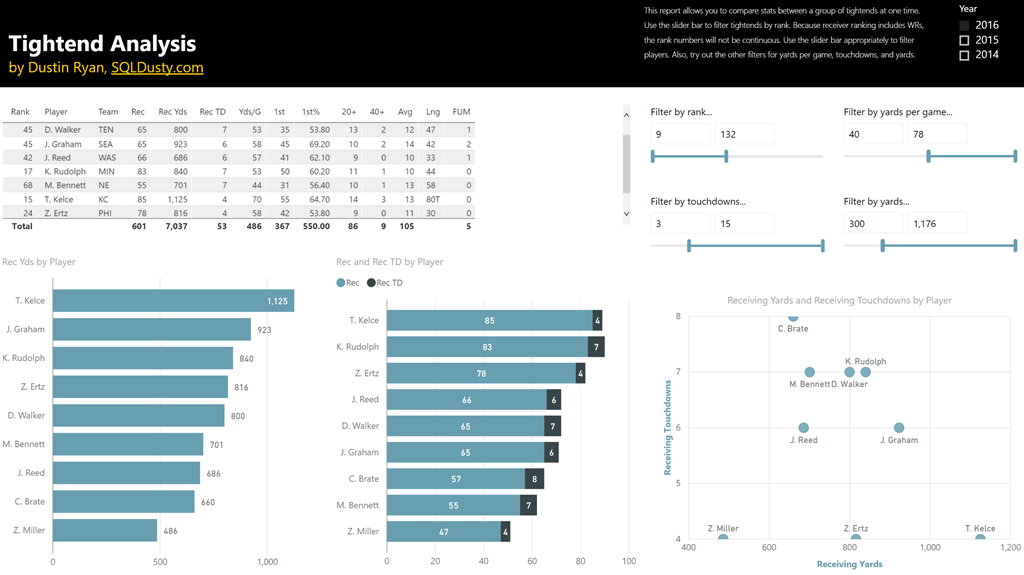
- Power BI: Great for creating interactive dashboards.
These tools enable you to transform raw data into meaningful narratives, making your sports discussions more engaging. (data analysis tools, sports analytics tools)
How to Get Started with Sports Data Analysis

Ready to dive in? Follow these steps to begin your journey into sports data analysis:
Step 1: Identify Your Focus
Decide what you want to analyze—player performance, team strategies, or league trends. A clear focus ensures your analysis stays relevant and actionable. (player performance analysis, team strategy analysis)
Step 2: Collect and Clean Data
Gather data from reliable sources and clean it to remove inconsistencies. This step is crucial for accurate analysis. Use tools like Python’s Pandas for efficient data cleaning. (data cleaning, sports datasets)
📌 Note: Always verify the source of your data to ensure its reliability.
Step 3: Analyze and Visualize
Apply statistical methods to uncover patterns and trends. Visualize your findings using charts, graphs, or dashboards to make complex data understandable. (statistical analysis, data visualization)
| Tool | Best For | Skill Level |
|---|---|---|
| Python | Advanced analytics | Intermediate/Expert |
| Excel | Basic analysis | Beginner |
| Power BI | Interactive dashboards | Intermediate |
Turning Insights into Engaging Content

Once you’ve analyzed the data, it’s time to share your findings. Whether you’re writing a blog, creating a podcast, or discussing with friends, storytelling is key. Use your insights to challenge assumptions, highlight undervalued players, or predict future outcomes. (sports storytelling, data-driven content)
Checklist for Effective Sports Data Analysis
- Identify a clear focus for your analysis.
- Use reliable data sources.
- Clean and organize your data.
- Apply statistical methods to uncover trends.
- Visualize findings for clarity.
- Craft engaging narratives around your insights.
Sports data analysis is a rewarding endeavor that combines passion with precision. By leveraging the right tools and techniques, you can transform raw numbers into compelling stories that captivate your audience. Whether you’re a beginner or an expert, there’s always more to explore in the world of sports analytics. Start analyzing today and become the go-to source for data-driven sports fodder. (sports analytics, data-driven insights)
What are the best tools for sports data analysis?
+
Popular tools include Python, Excel, Power BI, and Tableau, each suited for different skill levels and analysis needs.
Where can I find reliable sports data?
+
Official league websites, sports databases like Sports Reference, and verified third-party platforms are great sources.
How can I make my sports analysis more engaging?
+
Focus on storytelling, use visualizations, and highlight unique insights to captivate your audience.

