
<!DOCTYPE html>
If you're a sports enthusiast, collector, or designer, understanding the Sports Illustrated magazine dimensions is crucial. Whether you're framing a classic issue, designing a magazine rack, or simply curious about its size, this guide provides all the essential details. Sports Illustrated, a renowned sports magazine, has specific dimensions that cater to its layout and readability. Let’s dive into the specifics to help you make informed decisions.
Standard Sports Illustrated Magazine Dimensions

The standard dimensions of Sports Illustrated magazine are designed to balance visual appeal and practicality. Here’s a breakdown:
- Width: 8.125 inches (206 mm)
- Height: 10.875 inches (276 mm)
These measurements ensure the magazine fits comfortably in standard racks and is easy to handle. The size also allows for high-quality imagery and readable text, enhancing the overall experience for readers. (Sports Illustrated dimensions, magazine size, sports magazine layout)
Why These Dimensions Matter

The Sports Illustrated magazine size is carefully chosen to meet industry standards while maximizing visual impact. Here’s why these dimensions are important:
- Readability: The size ensures text and images are clear and easy to view.
- Portability: Compact enough to carry but large enough to showcase stunning visuals.
- Storage: Fits seamlessly into standard magazine holders and shelves.
Understanding these aspects helps collectors and designers make the most of the magazine’s physical format. (Magazine readability, portability, storage solutions)
Comparing Sports Illustrated to Other Magazines
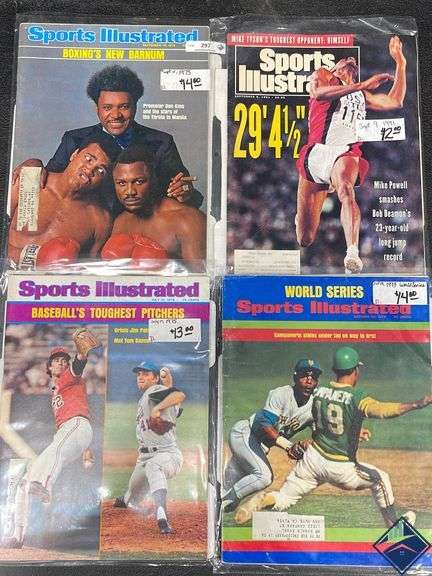
How does Sports Illustrated’s size compare to other popular magazines? Here’s a quick comparison:
| Magazine | Width (inches) | Height (inches) |
|---|---|---|
| Sports Illustrated | 8.125 | 10.875 |
| Time Magazine | 8.125 | 10.875 |
| National Geographic | 8.5 | 11 |

Sports Illustrated shares similar dimensions with Time Magazine, making it a standard size in the industry. (Magazine comparison, Time Magazine, National Geographic)
Tips for Handling and Storing Sports Illustrated

Proper handling and storage can preserve your Sports Illustrated magazine for years. Here are some tips:
- Use Protective Sleeves: Keep issues in acid-free sleeves to prevent wear and tear.
- Store Upright: Avoid bending by storing magazines vertically in a rack.
- Control Humidity: Keep storage areas dry to prevent mold and damage.
📌 Note: Always handle magazines with clean hands to avoid leaving fingerprints or stains.
(Magazine preservation, protective sleeves, storage tips)
Understanding the Sports Illustrated magazine dimensions is essential for collectors, designers, and enthusiasts alike. With a standard size of 8.125 inches by 10.875 inches, it offers a perfect blend of readability and portability. Whether you're framing a classic issue or designing storage solutions, these dimensions ensure compatibility with industry standards. By following proper handling and storage tips, you can preserve your magazines for years to come. Now that you’re equipped with this knowledge, you can make informed decisions about your Sports Illustrated collection or projects.
What are the standard dimensions of Sports Illustrated magazine?
+The standard dimensions are 8.125 inches in width and 10.875 inches in height.
How does Sports Illustrated’s size compare to other magazines?
+It shares similar dimensions with Time Magazine but is slightly smaller than National Geographic.
What’s the best way to store Sports Illustrated magazines?
+Store them upright in a dry place, preferably in protective sleeves to prevent damage.
